What Makes a Ball Dead in Cricket?
What makes a ball dead in cricket? Follow how the call affects runs, dismissals, overthrows, and the point when players can reset for the next delivery.
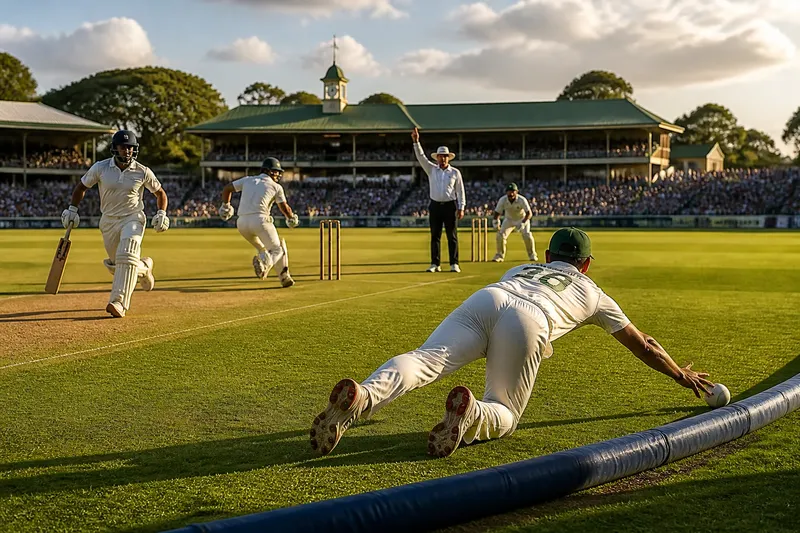
What makes a ball dead in cricket is the event that ends the chance for further play, not simply the moment the ball stops moving. A boundary, a completed catch, certain dismissals, or an umpire’s call can end the ball under the Laws.
Timing matters because runs and dismissals depend on whether the ball was still live when the relevant action occurred. To read a close moment, track the event, the umpire’s call, and the order in which the players acted.
Why can a ball appear finished but remain live?
A ball is not automatically dead because it has slowed, reached a fielder, or been picked up. Under the Laws, it becomes dead when a specified event makes it so, or when an umpire calls and signals dead ball in circumstances allowed by the Laws.
The umpire may call dead when the ball is finally settled in the hands of the wicketkeeper or bowler, or when the umpire is satisfied that the fielding side and both batters have ceased to regard it as in play. The umpire may also call dead for reasons such as a serious injury or another interruption covered by the Laws. These are judgments made within the Laws, not a general rule that any pause ends play.
A fielder’s brief control of the ball does not necessarily mean the action has ended. Watch for whether play is still possible and for the umpire’s call.
Why can batters keep running after a fielder retrieves the ball?
Retrieval alone does not always end the action. If the ball remains live and the batters attempt another run, it may count according to the circumstances; a throw that gets away can also allow further runs before the ball becomes dead.
Imagine the batters have completed one run and a fielder gathers the ball but begins preparing a return throw. The batters set off for another run before the umpire calls dead; the observable result is that the umpire judges the completed actions under the Laws, rather than treating the first pickup as the automatic end.
Keep following the ball until an event under the Laws or the umpire’s call ends play.
Why do batters stop running at a boundary?
When the ball reaches the boundary under the boundary law, it becomes dead and the boundary allowance is scored. The batters cannot add runs by continuing to run after that point.
A ball near the rope may not yet have reached the boundary. Until the boundary decision is clear, fielders may still try to stop it and the batters may still run. The umpire’s signal helps confirm the boundary decision.
Can a wicket fall after the ball seems settled?
A dismissal can occur while the ball is live, but not after it has become dead. The order of events matters: the batter’s position, the fielder’s action, and any dead-ball call may happen close together.
Imagine a batter is short of the crease while the ball is live, and a fielder puts down the wicket before the umpire calls dead. A run-out may be possible; if the ball had already become dead, that later action would not create a dismissal from the delivery.
Do not infer the ruling from broken stumps alone. Note what happened first and wait for the umpire’s decision.
What if injury or another interruption stops play?
The Laws allow an umpire to call dead in specified circumstances, including a serious injury or an interruption that makes continuing play inappropriate. Once the ball is dead, no further runs or dismissals can arise from that delivery; the officials then apply the relevant Laws and playing conditions to the restart.
Not every pause ends the ball. A batter adjusting equipment or a fielder taking a moment does not, by itself, make it dead. If an unusual incident affects the ruling, the match officials apply the Laws and any relevant local playing conditions.
What questions help settle a confusing dead-ball moment?
Does a ball become dead when a fielder catches it?
A completed catch ends the ball and results in the batter’s dismissal, subject to the Laws. If the catch is not completed, play can continue unless another event makes the ball dead.
Does the ball become dead when it hits the stumps?
Not in every circumstance. The ball may rebound and remain part of live play; follow what happens next and the umpire’s decision.
Can a run count if the ball becomes dead during the attempt?
Runs completed before the ball became dead may count, subject to the applicable Law and the reason play stopped. An incomplete attempt does not continue after the ball is dead.
Who decides when the ball is dead?
The Laws specify events that make the ball dead, and the umpire calls dead when the Laws authorize that judgment. A player stopping or appealing does not, by itself, replace the umpire’s decision.
How should you read the events in order?
For a close decision, separate what you saw from the ruling that follows. Check each point and use the result to decide what to watch or ask the umpire about:
- Check whether a catch was completed; if yes, treat the ball as dead and the batter as dismissed subject to the Laws, but if no, keep following play.
- Check whether the ball reached the boundary under the boundary Law; if yes, stop counting further running and note the boundary signal, but if no, continue tracking the live ball.
- Check whether the ball is finally settled in the wicketkeeper’s or bowler’s hands; if yes, note the umpire’s dead-ball call, but if no, do not assume a pickup alone ends play.
- Check whether both batters and the fielding side have ceased treating the ball as in play; if yes, watch for the umpire’s judgment that play has ended, but if no, continue following possible runs or dismissals.
- Check whether an injury or interruption has prompted the umpire to call dead; if yes, stop attributing later actions to that delivery, but if no, follow the ball until another event ends it.
- Check whether the batter was dismissed before the ball became dead; if yes, the dismissal may stand under the relevant Law, but if the dead-ball call came first, ask the umpire to clarify the ruling rather than infer it from the broken wicket.
Imagine a throw misses the wicket, and the batters complete one run before the ball lodges against a boundary cushion. The starting facts are one completed run, a missed throw, and a ball that has not yet reached the boundary; the batters keep running while it is loose, then the ball reaches the cushion. The boundary ends play, and the umpire applies the boundary-scoring Law to the completed run rather than treating later movement as another run.
What happens after the ball becomes dead?
Once the ball is dead, further scoring or dismissal cannot arise from that delivery. The umpire settles the result of the action, players reset, and the bowler prepares to deliver again when play is ready.
For what makes a ball dead in cricket, the useful distinction is between a visual pause and an event recognized by the Laws. Follow the ball, establish the order of actions, and rely on the umpire’s ruling when timing or the applicable Law is disputed.